
From Vision to Impact: How Wilson County Schools and NCCRL Are Building Resilient Communities
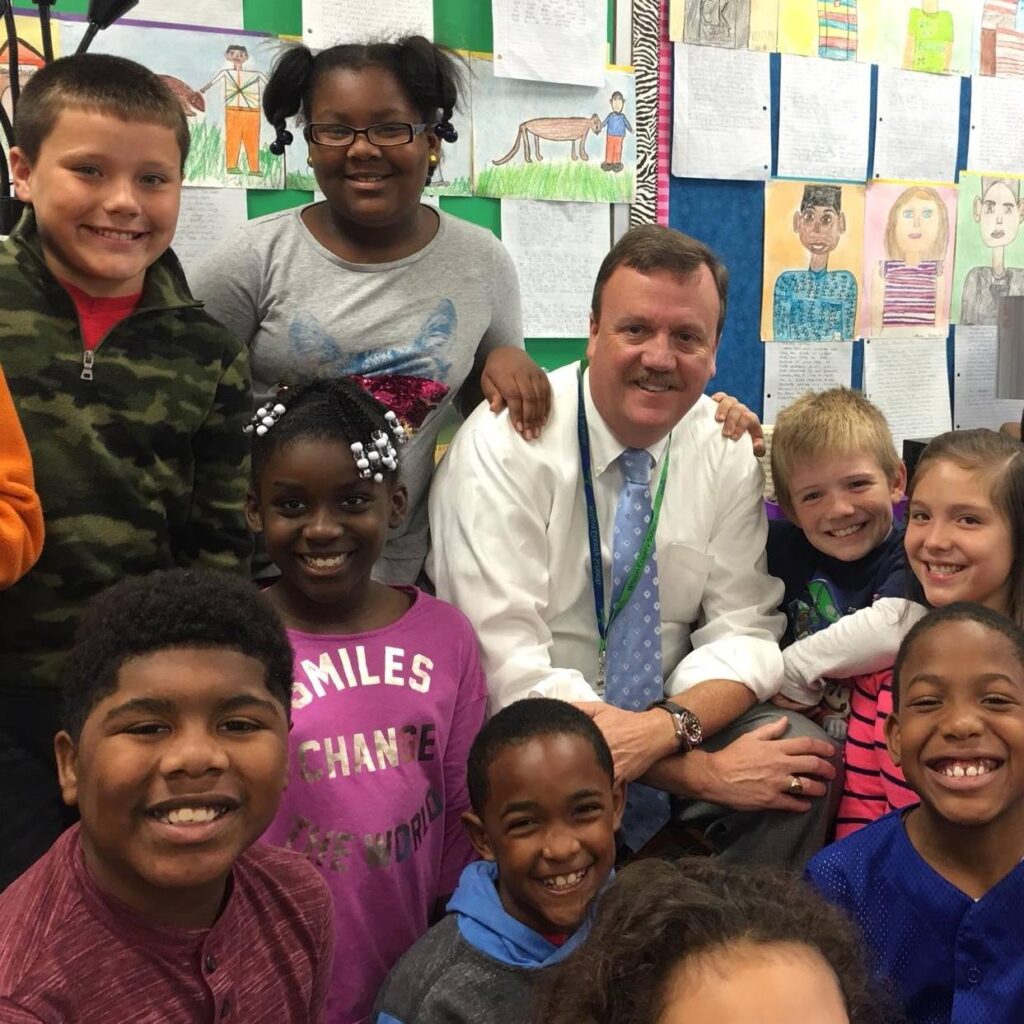
In our second post in this series, we offered a more intimate portrait of the work in action—at Vinson-Bynum Elementary and Beddingfield High School in Wilson County, North Carolina—through the voices of a parent, teacher and a school principal participating in North Carolina Center for Resilience and Learning (NCCRL) resilience initiatives.
In this final post, we turn to district leadership and our conversation with Dr. Cheryl Baggett, Executive Director of Student Services for Wilson County Schools, to understand how this partnership is shaping school culture and strengthening outcomes for students, educators, and families across the district.
A Partnership Rooted in Purpose
For Wilson County Schools, the decision to partner with the NCCRL emerged from deep reflection about the growing challenges students bring into classrooms.
“We recognized that many of our students were experiencing increased stress and trauma, and that these experiences don’t stop at the schoolhouse door,” Dr. Baggett explained. “We needed more than a one-time professional development. We were looking for a partner who understood public schools and could help us build capacity over time.”
Previous positive experiences with NCCRL facilitators reinforced that choice, confirming that the organization could offer both expertise and long-term support to educators working on the front lines.
Supporting the Whole Child
This collaboration aligns with Wilson County’s broader vision of student success—one that goes beyond academics to prioritize safety, belonging, and connection.
“We want our students to feel safe, secure, and supported,” said Dr. Baggett. “This work helps us create environments that are truly focused on the whole child and long-term well-being.”
The impact is already visible. Eighty-two percent of students in trauma-informed schools reported increased access to supportive relationships. School leaders have shared that trauma-informed practices help staff understand student behavior as communication, allowing them to respond with empathy and structure rather than punishment or reaction.
For students with learning differences, these approaches foster greater inclusion and consistency, helping them feel seen and valued in their school communities.

Empowering Educators and School Leaders
A defining feature of Wilson County’s partnership with NCCRL is its long-term coaching model. Rather than delivering isolated trainings, NCCRL coaches work side-by-side with school teams over time, reinforcing learning and strengthening implementation.
“From day one, our coach validates the work teachers are already doing,” Dr. Baggett noted. “That trust makes a real difference in how committed staff are to this work.”
Because NCCRL coaches bring experience as former educators and counselors, their guidance is grounded in classroom realities. Over time, teachers report stronger relationships with students, deeper understanding of student needs, and renewed confidence in their professional growth.
She believes this has also contributed to improved morale. “When teachers see their efforts leading to stronger connections and better outcomes for students, it creates a new sense of purpose.”
Leadership Makes the Difference
Dr. Baggett emphasized that strong district leadership is essential to sustaining resilience-focused work. Wilson County Schools benefits from a senior leadership team unified around a shared commitment to student and staff well-being.
From Superintendent Dr. Lane Mills and Assistant Superintendent of Instructional Services Robin May to Associate Superintendent Dr. Cheryl Wilson and Assistant Superintendent of Administrative Services Dr. Ben Williams, district leaders actively support and stand behind this initiative. Their engagement has enabled schools to embed resilience practices into school improvement plans and daily operations.
“Having support from the top is critical,” Dr. Baggett said. “It ensures this work is not a temporary initiative, but part of who we are as a district.”
Looking Ahead with Hope
Despite the challenges facing public education, Dr. Baggett remains optimistic about the future of resilience-focused education in Wilson County.
“Our teachers and school leaders are committed to growing their skills and supporting students through these practices,” she said. “That dedication gives me great hope.”
Wilson County’s experience offers a powerful lesson for other rural and remote districts: meaningful change happens when partnerships are built on trust, sustained coaching, and shared vision.
By investing in resilience, Wilson County Schools is investing in people—students who feel supported, educators who feel valued, and communities that grow stronger together.
And that is the lasting promise of this work: creating schools where every student can learn, belong, and thrive.
Catch up on the first two posts in the series:
