
Supporting Every Student: How the NC Center for Resilience & Learning Is Building Safer, More Inclusive Schools
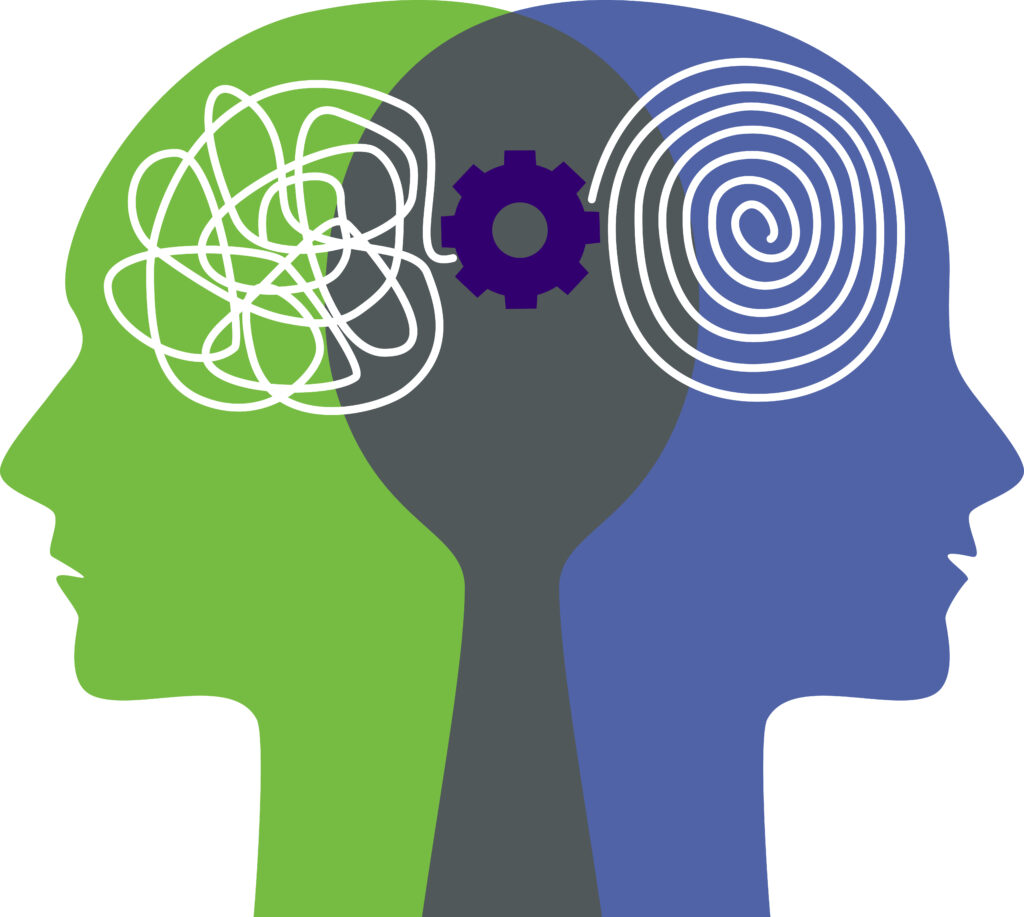
At a time when educators across the country are grappling with unprecedented mental health challenges among students, North Carolina is leading the way with a trauma-informed, inclusive approach to social-emotional learning (SEL). The North Carolina Center for Resilience & Learning (NCCRL), housed at the Public School Forum of North Carolina, is at the forefront of this work—providing educators with the tools they need to support every child, including those with learning differences.
Launched in 2017, the Center was born out of the Forum’s Study Group XVI, which explored how childhood trauma affects brain development, learning, and behavior in schools. Since then, NCCRL has partnered with dozens of public school districts—many of them rural and remote—to deliver trauma-informed professional learning and coaching for educators. The goal? To create safer, more supportive schools that champion the whole child and equip teachers with strategies to foster resilience and academic success.
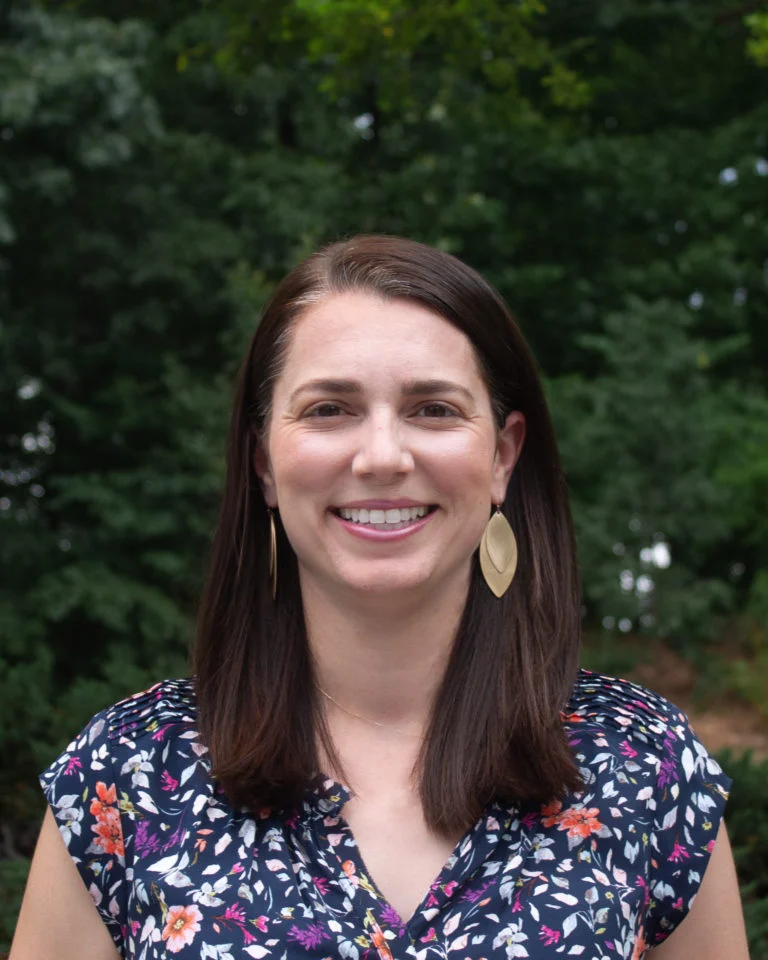
Elizabeth DeKonty, Senior Director of the North Carolina Center for Resilience & Learning, is a social worker with over 15 years of experience supporting students and families. Prior to joining the Forum, she supported several programs and initiatives in public schools in North Carolina and worked with state and community-based mental health organizations.
“Our mission is to build resilience and success for all students and educators,” said DeKonty. “We believe that every student—regardless of background, ability, or past experiences—deserves to learn in a space where they feel safe, seen, and supported.”
What sets NCCRL apart is its commitment to long-term, sustainable partnerships. “We approach the school districts,” DeKonty explained. “They are critical to maintaining the work over time—because when superintendents and principals are invested, the work sticks. We always ask them, ‘Do you need this training, or do you want it?’ Those are two very different things. We want to work with schools who want to partner with us.”
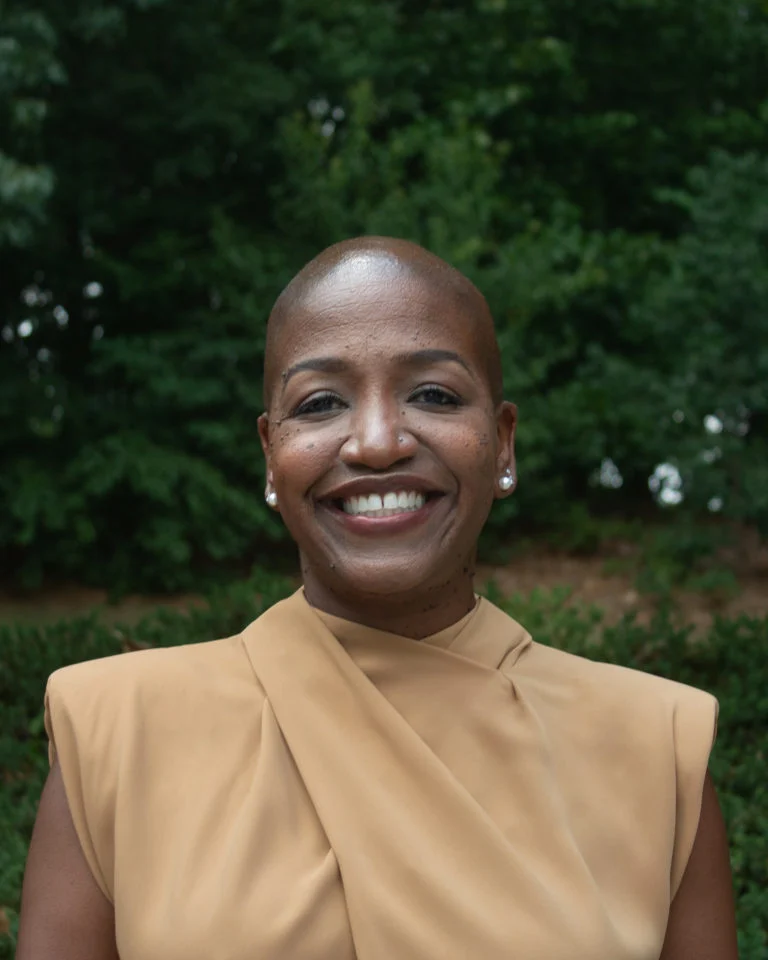
Each participating school forms a resilience team—a dedicated group of staff committed to leading the work from within. Schools must also commit to the program for at least two years. “We realized that this work needed to be two years to really be effective,” said Program Manager Eulanda Thorne. “One year just wasn’t enough. It takes us the first year to build relationships and get buy-in. It’s in that second year that the work really takes hold—when school staff start to have those ‘a-ha’ moments.”
Thorne brings deep experience to this work, having spent 15 years as a classroom teacher and over 4 years as a school counselor. Her passion for trauma-informed education is personal. While educating herself about trauma, resilience, and Adverse Childhood Experiences (ACEs), she has become a leader in a number of organizations focused on trauma-informed work across NC. With her role as Program Manager with the Center and serving as a resilience coach in schools in rural, eastern NC, Thorne said, “We are working on a mind-shift of educators in the school building. Our work helps create a solid foundation, while helping school staff grow professionally and personally.”
Now, the Center is expanding its focus to include more targeted support for students with learning differences. Informed by state and national focus groups, NCCLR is enhancing its model to include differentiated SEL strategies that meet the unique needs of neurodiverse students.
Dr. Katie Rosanbalm is an associate research professor at Duke’s Center for Child and Family Policy and has been the evaluation and research partner for the NCCLR since its inception in 2017. “Two out of three adults have had some sort of adverse event in their life before turning 18. There are a significant number of young people who are experiencing some sort of traumatic or significant stress in their lives,” said Dr. Rosanbalm. When children face chronic stress or trauma, it can rewire the brain to operate in survival mode – hypervigilant, reactive, and focused on staying safe rather than engaging in deep thinking or learning. This shift makes it harder for students to regulate their emotions, concentrate, or build relationships in the classroom. “Our brains are malleable—we must change their trajectory. This is especially true in young people. Social-emotional skills are something we need to learn, just as we do to read and write. This is universal intervention.”
“Students with learning differences often experience compounding challenges—academic frustration, social isolation, and in some cases, trauma,” Rosanbalm added. “Providing differentiated SEL support ensures that these students are not left behind.”
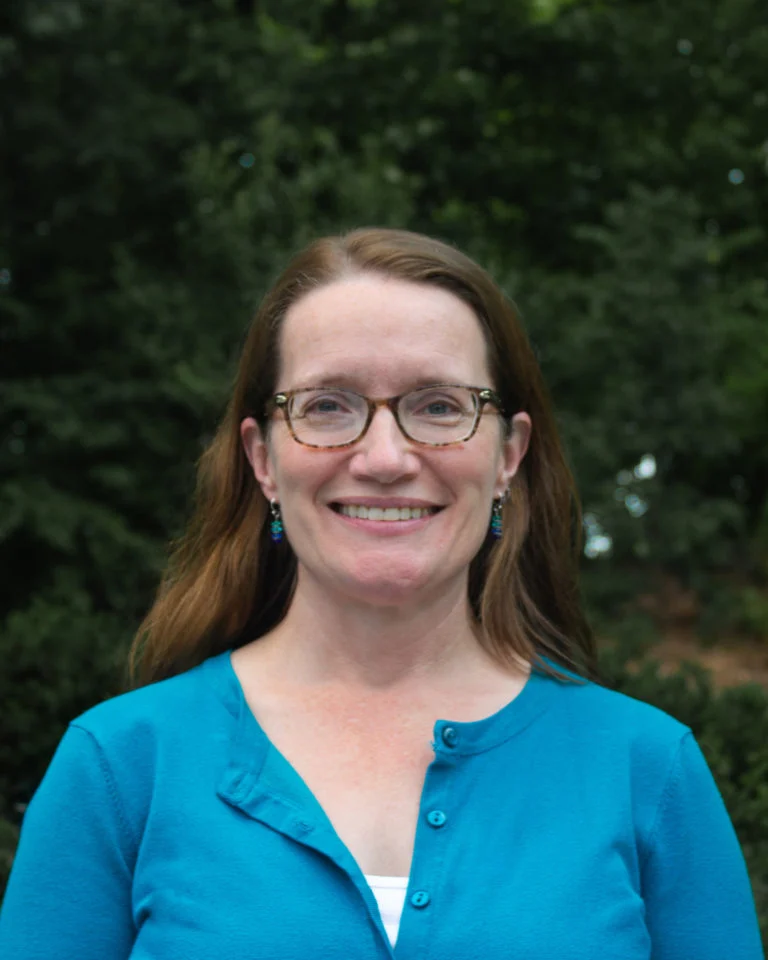
Now, the Center is expanding its focus to include more targeted support for students with learning differences. Informed by state and national focus groups, NCCLR is enhancing its model to include differentiated SEL strategies that meet the unique needs of neurodiverse students.
This year, the center is scaling up its reach by hiring three new coaches—and the vision is ambitious. “Our hope is to eventually bring this work to all 115 school districts across North Carolina,” said DeKonty. “Our goal is to leave every school that we work with in a place that the work will continue, and we are always here to offer support and guidance. The work is rewarding because the impact can be profound—not only for the students, but for the school staff as well.”
For four decades, the Public School Forum of North Carolina has served as an indispensable and nonpartisan champion of better schools. The North Carolina Center for Resilience & Learning is a shining example of that mission in action—empowering schools to meet students’ emotional needs, build supportive communities, and create learning environments where all students can thrive.
Meet The Author
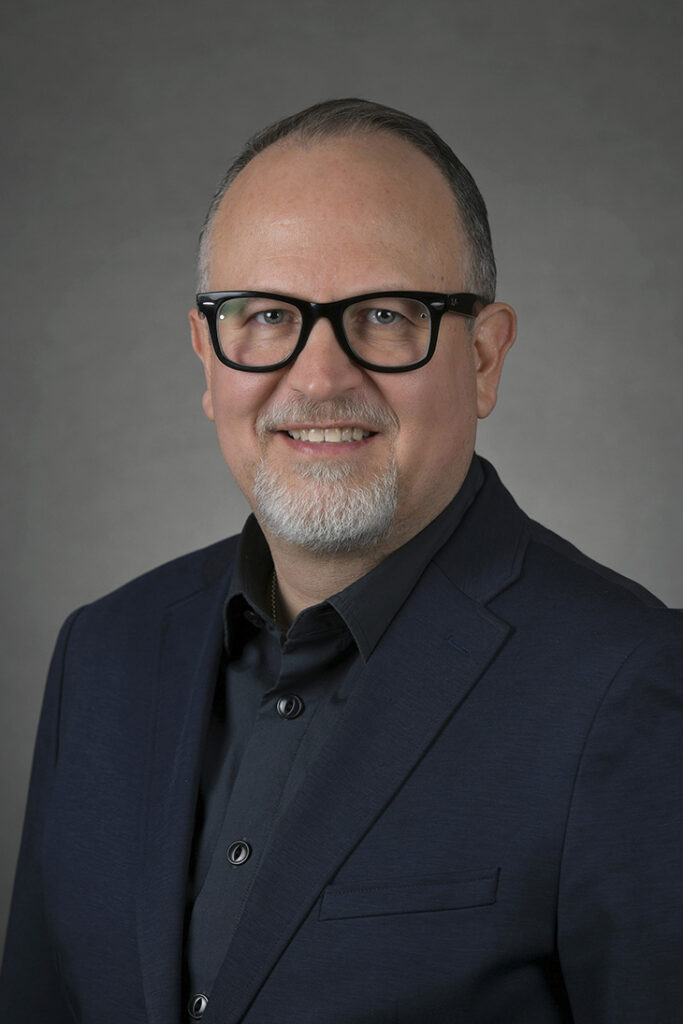
Enrique A. Chaurand
Vice President of Communications and Marketing
Read the next two posts in the series:
