From Hope to a Plan: Helping Learners Build Pathways that Lead Beyond High School

This post is the second of our five-part series introducing Future Ready Pathways and exploring how school systems can redesign learning to better prepare today’s modern learners. In this post, we turn to Pillar 1: Education and Career Navigation, the support structure that helps each learner move from exploration to a purposeful plan.
Hope is not a plan. But for too many learners, hope is all they’ve been given. Ask a group of high school juniors what they want to do after graduation, and you’ll probably hear a mix of ambition and uncertainty. Some will say college. Some may name a career field. Some will probably shrug. The desire is there. The potential is there. But the plan? For too many learners, the actual steps needed to get from Point A to Point B are often missing.
This stark reality is not because learners don’t have dreams, but because our systems have historically relied on chance rather than design. For decades, postsecondary advising has been an annual meeting, a short survey or two, a quick drop-in to the counseling office, or a conversation that happens too late to influence the courses a learner chooses in ninth grade, let alone their readiness for life beyond graduation. To be clear, this is not a knock on school counselors, who often face unfathomable caseloads and workloads that overtax the time needed to prioritize. It’s a system-wide issue.
Layered onto this is another challenge, the deeply rooted narrative of college or career, a false dichotomy that has shaped how families, schools, and policymakers talk about opportunity. The truth is simple: The future isn’t “either/or.” It’s and/and.
Academic learning and technical skill-building. Workforce readiness and degrees. Career-connected exploration and college preparation. It’s College AND Career. The goal is not to sort learners, but to guide them toward a path that fits.
Advising Isn’t an Event. It’s a System.
Strong advising doesn’t begin in eleventh grade. It begins years earlier, as learners discover who they are, what excites them, what motivates them, and what possibilities feel worth pursuing. This is why Career-Connected Exploration in K–8 (as highlighted in blog 1) is so essential. It lays the foundation for identity that makes advising conversations meaningful later on. When learners have language for their strengths and interests, they engage differently. They ask different questions. They make other choices. Ninth grade becomes a continuation of their journey, not the starting line.
Let’s take a look at two districts that are prioritizing Education and Career Navigation:
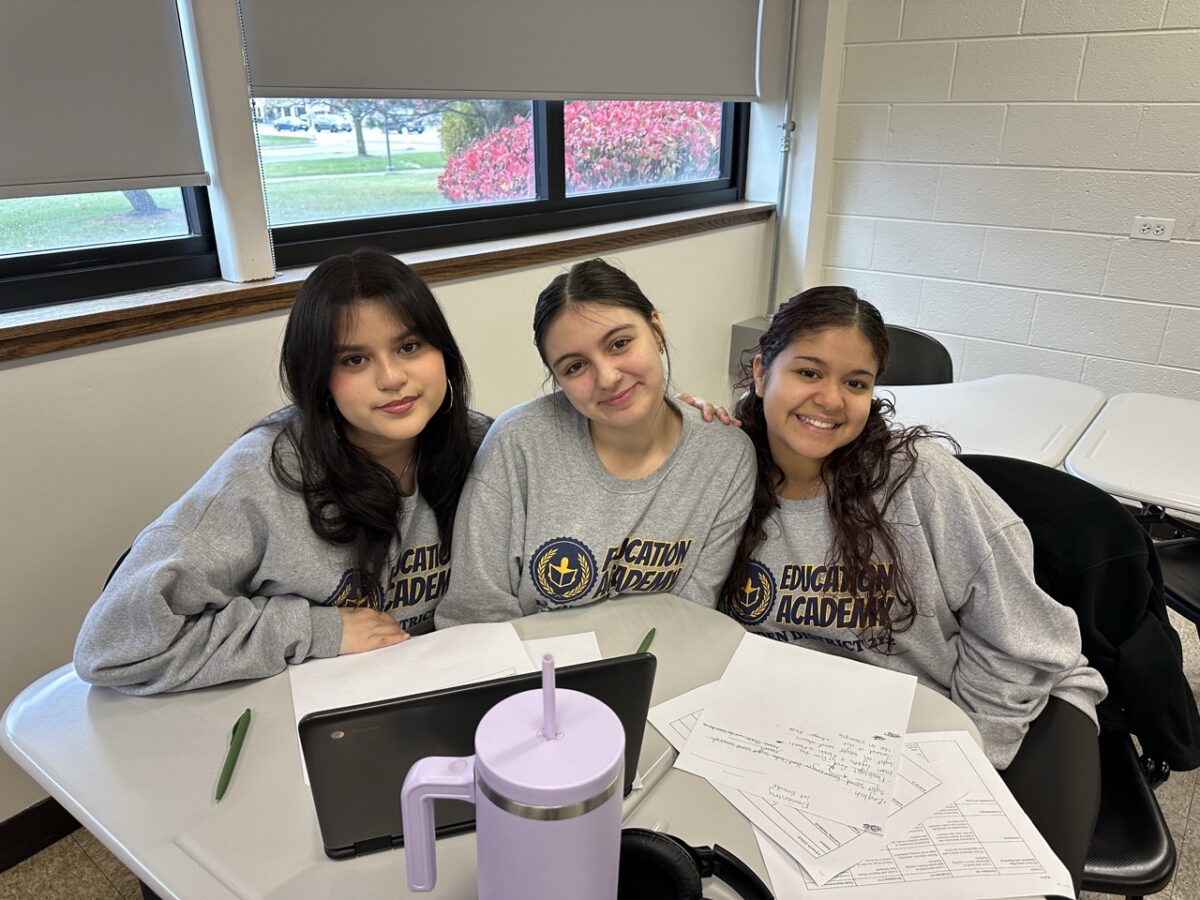
Leyden High School District 212 outside Chicago has shifted the way learners take ownership of their postsecondary plans. Each learner builds a personalized plan using their “My Postsecondary Workbook,” a simple but powerful four-year tool that guides them through reflecting on their strengths, researching careers, exploring college and career pathways, and mapping out the actual steps they’ll need to take after graduation. It’s practical. It’s learner-centered. And for many learners, especially those without adults at home who can explain financial aid, apprenticeships, transfer pathways, or credential requirements, it helps level the playing field. What makes Leyden’s approach so compelling isn’t the workbook itself; it’s the mindset behind it. Planning for the future isn’t a guessing game at Leyden. It’s a process learners own, refine, and revisit as they discover more about themselves and ultimately, what’s possible.
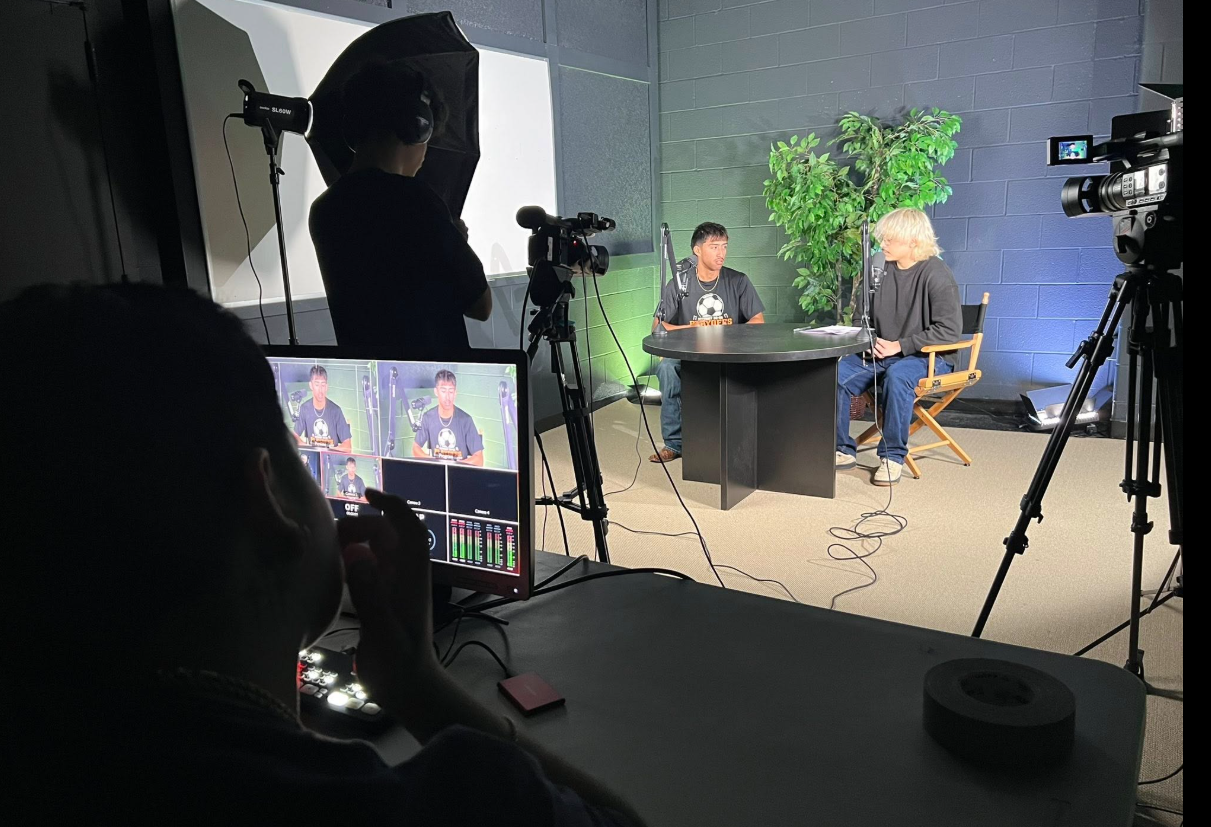
Meanwhile, 1,400 miles south in Harlingen CISD, Texas, advising looks less like a meeting and more like an ecosystem. Harlingen begins early, asking middle school learners to develop six-year plans that evolve with them as they progress through exploration, pathway selection, and high school coursework. Their campuses house vibrant College and Career Centers that feel less like offices and more like community hubs; places where learners and families ask questions, explore options, and make informed decisions. Advising shows up in advisory lessons, parent engagement nights, course-planning conversations, and student-led postsecondary conferences. By the time learners in Harlingen reach high school, they aren’t starting with a blank page. They’re refining plans they’ve shaped for years, supported by a system that believes each learner deserves a clear path forward, not a moment of luck.
Together, Leyden and Harlingen offer a glimpse of what’s possible when advising is more than information and becomes strategic intention. One district highlights how tools can empower learners to take ownership of their learning. The other shows what it looks like when an entire community rallies around helping each learner navigate their future with clarity. Both reinforce the same truth: advising done well isn’t about predicting a learner’s future. It’s about giving them the foundation, the language, and the confidence to build it.
At the end of the day, strong advising is not about steering learners toward a single destination. It’s about giving them the clarity, confidence, and support to chart a path that reflects who they are and the future they want to build. It’s about honoring each learner’s strengths and aspirations with the information and guidance they deserve. When we get advising right, we replace chance with purpose. We replace confusion with clarity. And yes, we can replace hope with a plan.
Districts like Leyden and Harlingen remind us what’s possible when this work is done with intention. Tools matter. Systems matter. Relationships matter. But what matters most is the belief that each learner is capable of designing a future worth chasing, and we, as educators and leaders, have a responsibility to help them do it.
Education and Career Navigation isn’t paperwork, scheduling, or compliance. It’s one of the most important equity levers we have. And when it’s woven into a school or district’s culture, not just its calendar, learners begin to see themselves differently. They dream differently. They plan differently. They see a path to make things possible. The goal is simple: each learner leaves the system with a sense of purpose and a path they can confidently pursue. If that’s the kind of system you want to build, explore Pillar 1: Education and Career Navigation of Future Ready Pathways and see what becomes possible when hope meets design and when learners are given more than options. They have copiloted their direction, fueled by purpose.

Need support turning exploration into a system?
All4Ed’s team partners with districts and states to design and implement Future Ready Pathways from the ground up. From early career-connected exploration and advising systems to dual enrollment, work-based learning, and credential alignment, we provide practical tools, frameworks, and hands-on guidance to move from vision to action.
