Work-Based Learning Isn’t Broken. Our Design of It Is.

This post is part of a five-part series introducing Future Ready Pathways and exploring how school systems can redesign learning to better prepare today’s modern learners for what comes next. In this post, we turn to Pillar 3: Work-Based Learning, and why the gap between school and the world of work is not accidental; it’s largely self-inflicted.
For decades, we’ve talked about the disconnect between school and work as if it were inevitable. As if learning must happen in one place, and “real life” in another. As if the best we can do is offer learners a brief glimpse into the world they’re supposedly preparing for. The gap between school and work isn’t natural. We designed it.
In too many systems, work-based learning still shows up like an add-on. A short job shadow. A one-off internship. A box to check before graduation. Well-intentioned experiences, sure, but rarely designed to change how learners see themselves or how they understand their role in the world. And that’s the real issue.
Work-based learning shouldn’t be about résumé padding. It should be about identity formation.
From Exposure to Ownership
When designed well, work-based learning moves learners from watching work to doing meaningful work. From observing professionals to seeing themselves as capable contributors. From asking, “What do they do?” to “What do I bring?” That kind of shift doesn’t happen by accident. It requires intentional design, strong partnerships, and a willingness to trust learners with real responsibility. It also requires a foundation built long before a learner ever steps into an internship or client meeting.
This is where Career-Connected Exploration in the early grades matters more than we often realize. When learners spend years exploring interests, reflecting on strengths, and seeing how learning connects to the world beyond school, they arrive in high school ready for more than surface-level experiences. They’re prepared to engage, to contribute, and to grow. Work-based learning in high school shouldn’t be a first exposure. It should be a culmination.
When Work Is Real, Learning Changes
You can see this shift clearly in Minnetonka Public Schools, where work-based learning is intentionally designed to mirror the complexity, expectations, and accountability of the professional world. Through their VANTAGE program, learners don’t just visit workplaces or complete simulated projects. They work with real clients, solve real problems, receive real feedback, and navigate real deadlines. The work matters beyond a grade, and learners know it.
What’s powerful about Minnetonka’s approach isn’t just the partnerships or the polished presentations. It’s the way learners begin to see themselves differently. They speak with confidence. They collaborate with purpose. They learn how to manage ambiguity, accept critique, and iterate when something doesn’t work the first time. That’s not résumé padding. That’s identity building.
Learners leave these experiences not just with stories to tell, but with a clearer sense of who they are, how they contribute to the world, and what environments bring out their best work.
Reflection Is the Multiplier
One of the most overlooked elements of effective work-based learning is reflection. Experience alone doesn’t guarantee learning. Reflection turns experience into insight. When learners are given structured opportunities to reflect on what challenged them, what energized them, where they struggled, and how they grew, work-based learning becomes transformative. It helps learners connect the dots between academic learning, professional skills, and personal strengths. Without reflection, work-based learning risks becoming transactional. With it, learners gain clarity, confidence, and direction.
This is also where strong Education and Career Navigation (Pillar 1) systems intersect with work-based learning. Advising, reflection, and planning help learners make meaning of their experiences and use them to inform next steps, whether that’s a credential, a dual enrollment course, a postsecondary program, or a career pathway.

Equity Is a Design Choice
It’s also essential to acknowledge that work-based learning is not inherently equitable.
If access depends on family connections, transportation, or who feels confident enough to ask, inequities widen. But when work-based learning is intentionally embedded into pathways, supported by schools, and aligned to learner interests, it becomes one of the most powerful equity levers we have.
Design matters. Who gets access matters. How learners are supported matters.
When we get this right, work-based learning doesn’t privilege the already connected. It expands opportunities for each learner.
The Work Ahead
Work-based learning isn’t about preparing learners for work someday. It’s about honoring that learning and work are already deeply connected today.
When we stop treating work-based learning as a peripheral experience and start designing it as a core pathway component, everything changes. Learners don’t just learn about work. They learn through work. They develop skills, confidence, and purpose that can’t be replicated in a classroom alone.
Future Ready Pathways includes a Work-Based Learning Readiness Rubric to help districts move from isolated experiences to coherent systems. The goal isn’t more placements. It’s about better ones. Placements that align to pathways, center learner growth, and build identity, not just hours logged.
The real measure of work-based learning isn’t whether a learner completed an internship. It’s whether they leave believing, “I belong here. I can do this. And I know what comes next.”
Need support turning exploration into a system?
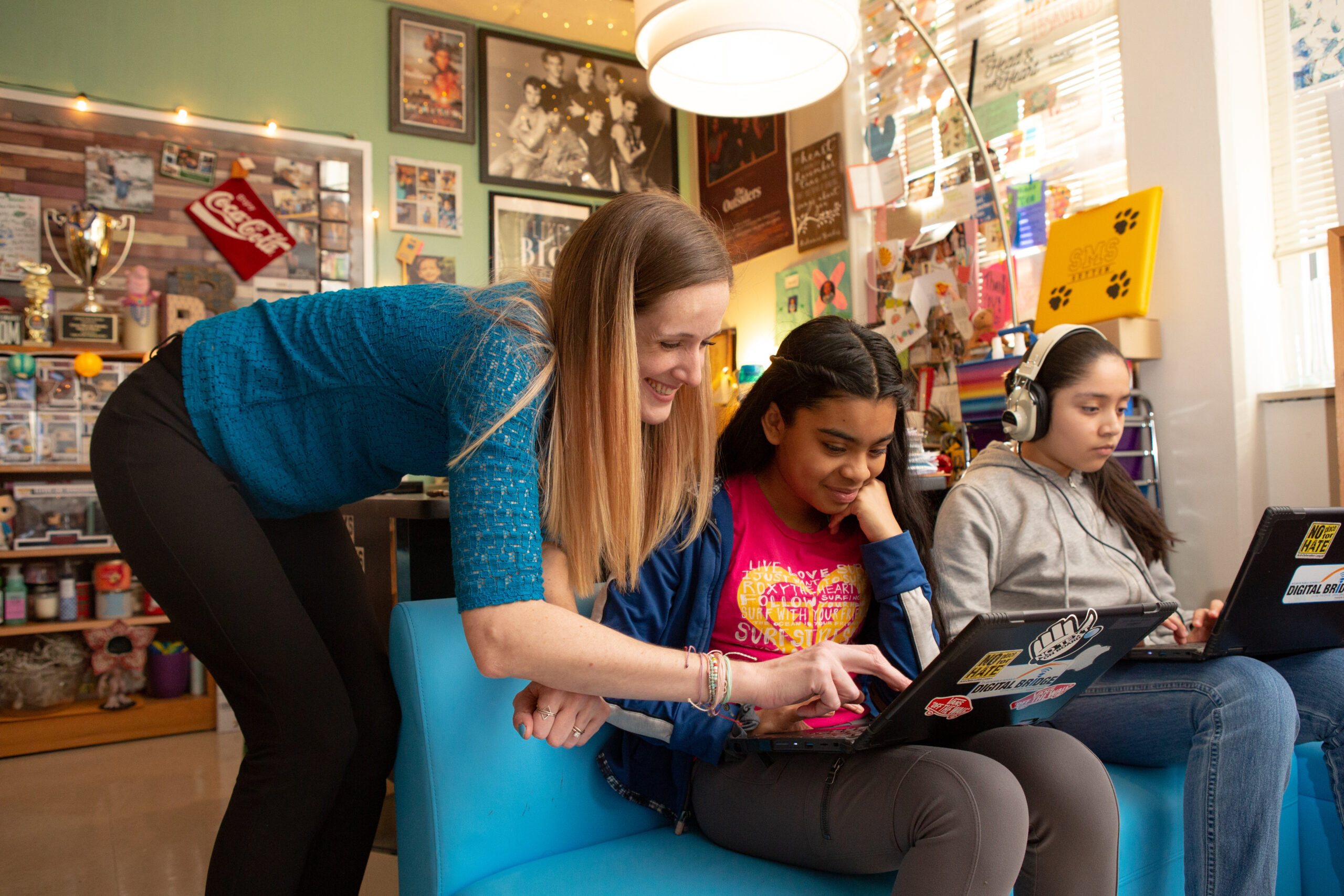
All4Ed’s team partners with districts and states to design and implement Future Ready Pathways from the ground up. From early career-connected exploration and advising systems to dual enrollment, work-based learning, and credential alignment, we provide practical tools, frameworks, and hands-on guidance to move from vision to action.
