Building Futures: College and Career Pathways in the Great Lakes States
Across the nation, education leaders have been striving to ensure students graduate high school with essential academic knowledge as well as relevant work-based skills. To achieve this, schools have made strides in aligning high school experience to the expectations of higher education and the workforce through a variety of college and career pathway programs. These programs vary widely in design and implementation across states, offering examples of evidence-based innovation, iteration based on data and outcomes, and effective implementation that offers models and lessons that policymakers across the nation can utilize.
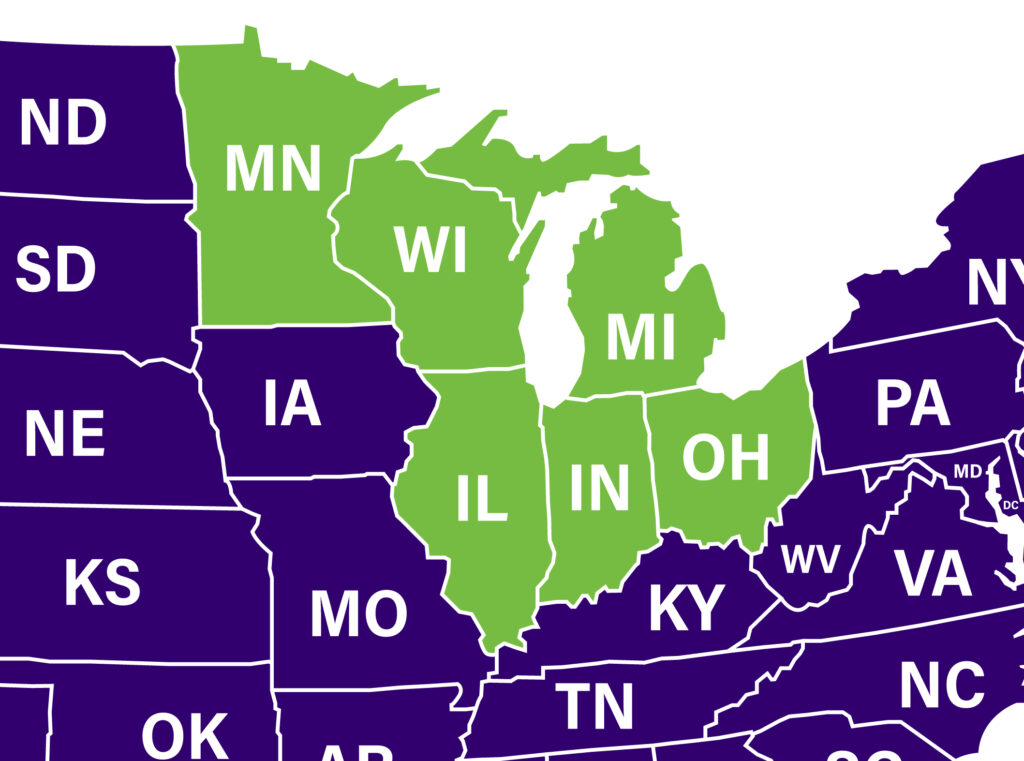
All4Ed conducted a review and analysis of college and career pathway programs in 6 states in the Great Lakes region (Illinois, Indiana, Michigan, Minnesota, Ohio, and Wisconsin) to identify bright spots and also review how states that are geographical neighbors have developed variations on pathways to serve their specific student populations.
To conduct this analysis, we focused our analysis on six pillars that are critical to building a high-quality, equitable system of pathways for all students:
- Equitable access. An equitable pathway system should remove systemic barriers while expanding access to critical resources and support, so that all students can realize their educational and career aspirations.
- System alignment. The effectiveness of college and career pathways systems hinges not only on the quality of individual programs, but also on how well they are aligned within a broader educational and workforce ecosystem.
- State investment. Sustaining and scaling high-quality pathways requires strong and strategic state investment, as states play a critical role in aligning and optimizing funding across K-12, postsecondary, and workforce systems.
- Counseling and early career exploration. Robust navigational support is a cornerstone of an effective pathways system, empowering students to understand their options and access the resources needed to overcome barriers.
- Educator quality and support. The quality of pathway programs depends significantly on the availability of high-quality educators; teachers must have access to professional development opportunities and support necessary to deliver rigorous, pathway-aligned coursework.
- Data transparency. Transparent, timely, and integrated data systems are essential for tracking outcomes, assessing the effectiveness of pathway policies and programs, and driving continuous improvement and informed policy making.
The fact sheets below offer a high-level overview of our findings for each state. To learn more about impactful pathways policy, including model legislation and technical assistance available to enact policies in your states, please see the All4Ed State Policy Center.
State Fact Sheets
Michigan
Minnesota
Illinois
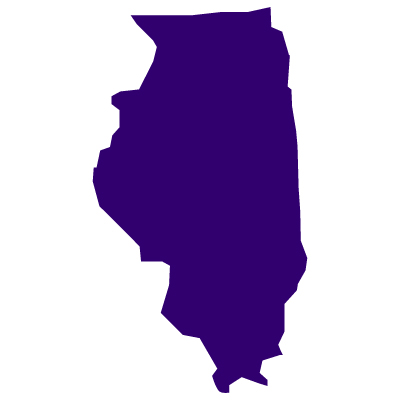
Indiana

Ohio
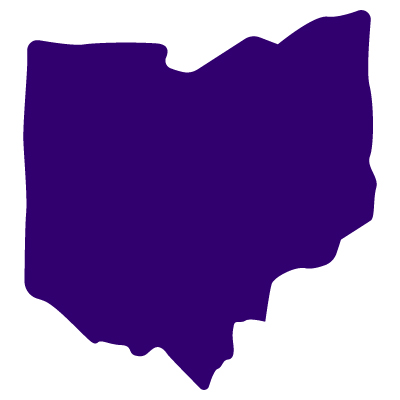
Wisconsin
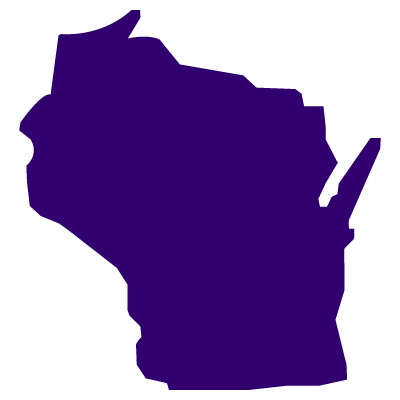
Click here to return to the home page of our State Policy Center.
