Founded in 2001, All4Ed is a national nonprofit that drives transformation in education-to-career systems to ensure that every young person thrives in learning, work, and life. We work with federal and state policymakers, K-12 and higher education leaders, and cross-sector partners to advance equitable, learner-centered pathways organized around four domains of thriving: knowledge and capability, economic security and mobility, connection and belonging, and purpose and agency. Through policy advocacy and activation, technical assistance, and thought leadership, we move ideas from legislation to implementation, strengthen state and regional pathways ecosystems, and challenge assumptions about what pathways are for.
Featured Blog Series

Normal Gets Us Nowhere
Normal Gets Us Nowhere asks hard questions, challenges longstanding assumptions, and offers new approaches to pathways designed so all young people thrive in learning, work, and life.

Design Differently
The Design Differently blog series explores bold ideas, emerging practices, and real-world examples that help educators rethink how schools prepare learners for the future.
publication | Career and Technical Education, Education Policy, High Schools, Higher Education, Policy and Government
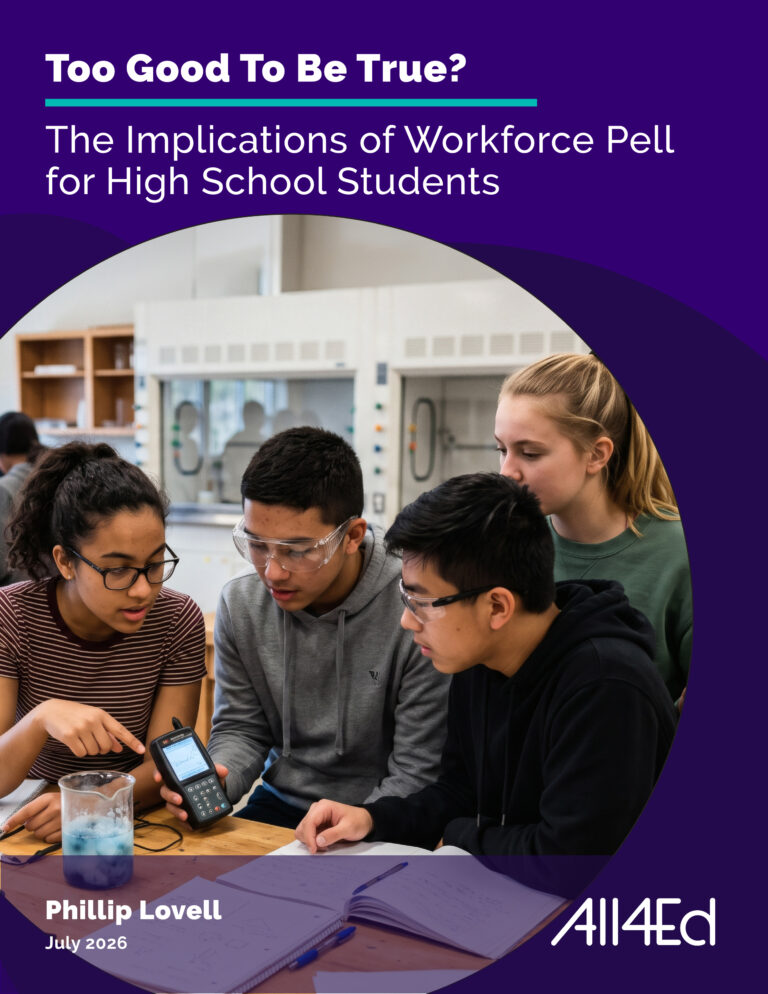
Can Workforce Pell expand opportunity without limiting students’ futures? This report examines how short-term workforce credentials could reshape K–12 education, college and career pathways, and counseling, while offering recommendations to protect long-term student success.
publication | Career and Technical Education, College and Career Pathways, Data, Education Policy
Explore how states can strengthen college and career readiness by connecting education data to real student outcomes. This report outlines how better longitudinal data systems can improve accountability, inform policy, and ensure pathways lead to success beyond high school.

publication | Career and Technical Education, College and Career Pathways, Congress, Education Policy, High Schools, Policy and Government
Where someone lives should not determine whether they get the chance to earn college credit before they graduate high school. But that is exactly what is happening today. Decades of research show that dual enrollment, the practice of allowing high school students to take college courses, is one of the most effective tools we have for closing college access and completion gaps. Participants are more likely to enroll in college, persist through their first year, and earn a degree, even after controlling for prior academic achievement. Still, access still depends heavily on zip code, family income, and the resources of a student’s school.

blog | Career and Technical Education, College and Career Pathways, Education Policy, High Schools, Higher Education, Student Voice, Workforce and Community
What does it really mean to thrive? The season finale of Normal Gets Us Nowhere introduces a four-domain framework for thriving and explores why education pathways should be designed for purpose, belonging, agency, and economic security—not just employment.

blog | AI, Career and Technical Education, College and Career Pathways, Education Policy, High Schools, Higher Education, Student Voice, Workforce and Community
As AI transforms education and workforce development, are we repeating the same old patterns? This blog explores why AI literacy should be the starting point—not the end goal—and why young people deserve opportunities to understand, evaluate, and shape the future of AI.

blog | Assessment, Career and Technical Education, College and Career Pathways, Education Policy, High Schools, Higher Education, Learning Sciences, Workforce and Community
What if the problem isn’t skills—but how we define them? This blog challenges the “grammar of skills,” arguing it misrepresents how people learn and fuels systems that prioritize measurement over development, equity, and real-world capability.

blog | Career and Technical Education, College and Career Pathways, High Schools, Higher Education, Workforce and Community
“Hall of Mirrors” challenges the pathways narrative, revealing how language and assumptions about credentials vs. degrees distort reality. This post examines the evidence—and how current systems may limit, not expand, opportunity.
publication | Career and Technical Education, College and Career Pathways, Opportunity to Learn, Raise The Bar, Unlocking Career Success, Workforce and Community
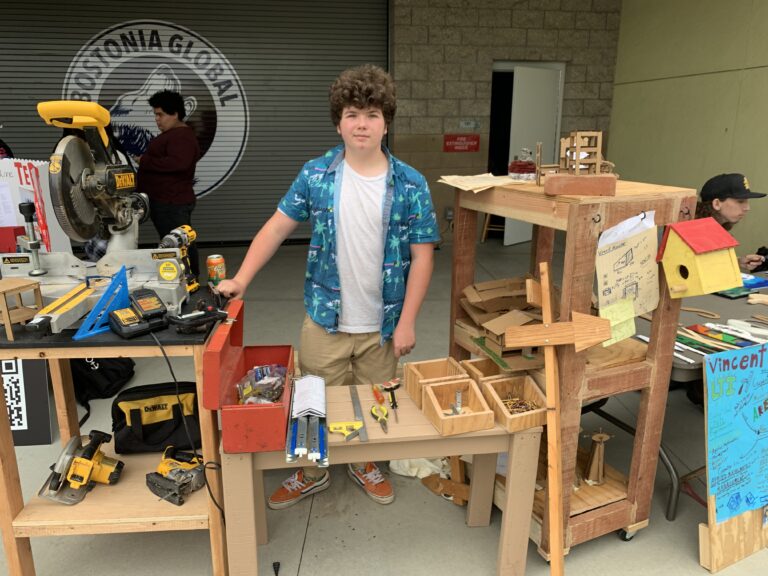
As schools face pandemic impacts, AI disruption, and widening gaps, career-connected pathways are more critical than ever. By blending academics, skills, and real-world experience, these programs prepare students for both college and careers—while strengthening communities and the economy.

publication | AI, Career and Technical Education, College and Career Pathways, High Schools
As technology rapidly reshapes education, artificial intelligence promises scalable solutions to longstanding challenges in college and career counseling. With student-to-counselor ratios averaging 376:1 nationwide—far above the recommended 250:1—the appeal of AI-powered platforms is undeniable. Yet in our rush to solve the counselor shortage through technology, we risk sacrificing what makes guidance truly transformative: authentic human connection.
